

Professional Platform
Share this episode of Takis Talk
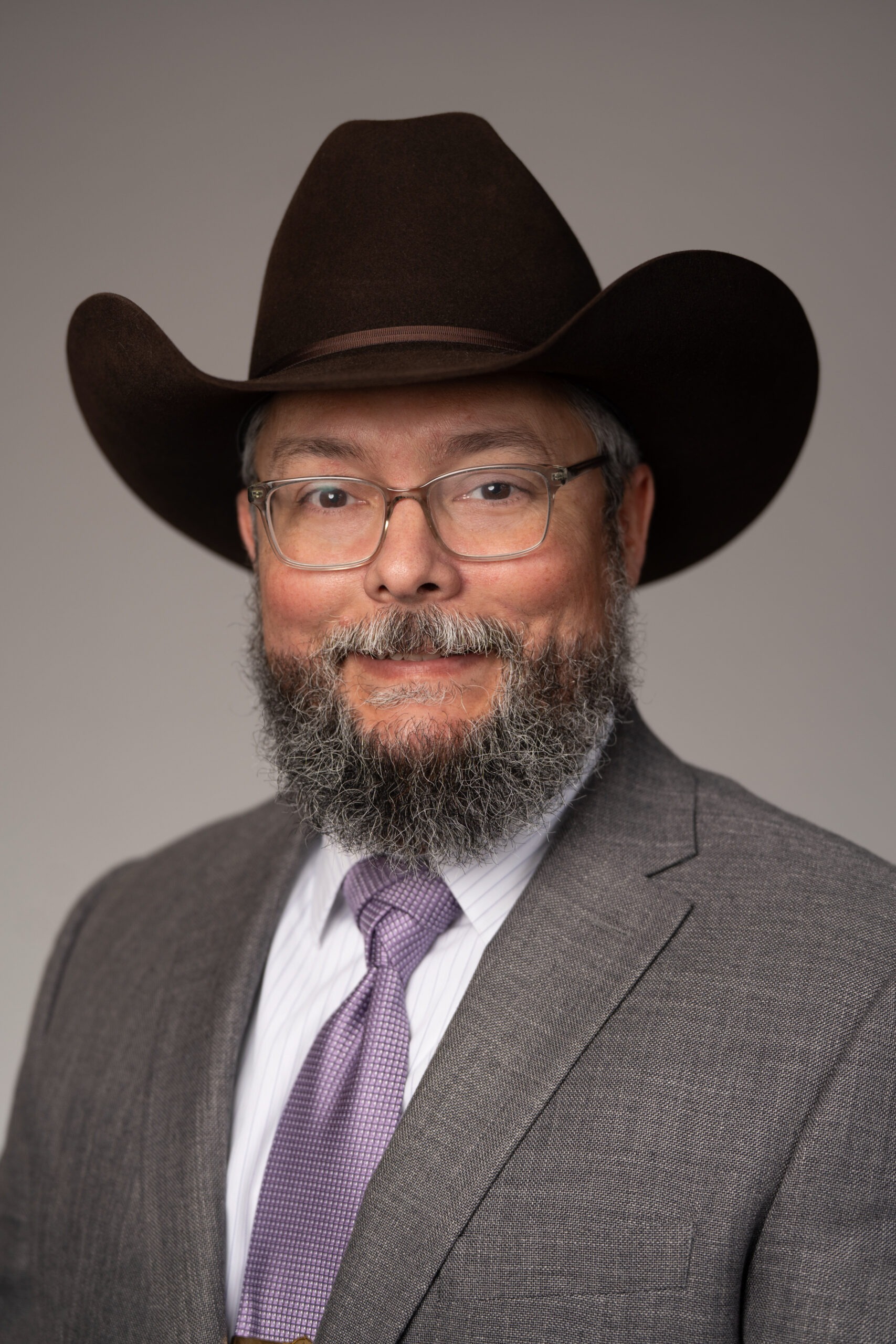
In this episode, we sit down with Robert Gray, Building Official for the Town of Los Gatos, for a wide-ranging conversation about building safety leadership, code development, local government, housing challenges, professional service, and the importance of getting involved in the organizations that shape our industry.
Robert is one of those people who seems to be everywhere that matters. Whether it is local ICC chapter work, IAPMO involvement, code hearings, professional development events, or conversations about the future of building departments, Robert continues to show up and contribute. His career reflects the kind of servant leadership that the building safety profession needs more of: steady, thoughtful, committed, and focused on helping the next generation succeed.
The conversation begins with Robert’s involvement in the ICC Peninsula Chapter and his leadership journey through local chapter work. Like many inspectors and building officials, Robert initially assumed that some of these professional organizations were mainly for building officials. Over time, through encouragement from mentors and colleagues, he became more involved, eventually serving in leadership roles and helping guide the direction of local code organizations. His story is a reminder that inspectors, permit technicians, plans examiners, code compliance officers, and building officials all have a place in these organizations—and that the future of the profession depends on people being willing to raise their hand and participate.
Robert also discusses his work with both ICC and IAPMO, the value of collaboration between different code organizations, and the reality that code officials in California often have to work across multiple systems, standards, and agencies. The episode touches on the challenges of digital code access, the relationship between ICC, IAPMO, NFPA, and other code bodies, and why local collaboration is so important even when national organizations may operate in separate lanes.
A major part of the discussion focuses on Los Gatos, a unique community in the heart of Silicon Valley with a small-town feel, high property values, historic buildings, wildfire concerns, and significant housing pressure. Robert talks about the challenges of meeting housing requirements in a jurisdiction that has limited land, strong community expectations, and areas located in or near the wildland-urban interface. As California cities and towns continue to respond to housing mandates, builder’s remedy projects, multifamily development, ADUs, and changing state legislation, building departments are being asked to adapt quickly while still protecting life safety and maintaining public trust.
The episode also explores the evolving role of the building official. Robert and the host discuss staffing, third-party plan review and inspection support, remote inspections, private-sector partnerships, and the pressure placed on jurisdictions to meet increasingly aggressive timelines. Robert brings a balanced perspective to these issues, recognizing the value of outside support while also emphasizing the importance of maintaining the authority and responsibility of the jurisdiction.
Beyond the technical and policy issues, this conversation is also about career growth and leadership. Robert shares his path from growing up in Oklahoma, working in construction, running a construction company, moving to California, becoming a building inspector, and eventually stepping into the role of building official. He talks about learning from mentors, serving the public, continuing his education, and pursuing growth beyond the building official role. The conversation also addresses an important question in local government: why are building officials often overlooked for executive management positions, despite the leadership, technical knowledge, customer service skills, and problem-solving experience required to do the job well?
Robert’s story is also deeply personal. He speaks with pride about his wife, children, grandchildren, and the values that guide his work and life. From family stories to leadership lessons, from building codes to whiskey festivals, this episode offers a complete picture of someone who cares deeply about his profession, his community, and the people around him.
Whether you are a building inspector, building official, code enforcement officer, permit technician, plans examiner, contractor, planner, city manager, student, or someone considering a career in building safety, this episode offers valuable insight into what it means to serve, lead, mentor, and stay involved.
Robert Gray’s message is clear: this industry needs people who are willing to participate, volunteer, learn, lead, and support one another. The future of building safety will be shaped by those who show up—and Robert is a great example of what that looks like.

Building Resilient Communities: A Conversation with Wayne Snell of the City of Irving, Texas
Episode guest: Wayne Snell, Director of Inspections, City of Irving, Texas
Host: Greg Diktakis, Takis Talk Podcast
Introduction
When it comes to shaping safe, thriving cities, few voices are as insightful as Wayne Snell’s. As the Director of Inspections for the City of Irving, Texas, Wayne combines decades of field experience with a forward-thinking approach to leadership and innovation.
In this Takis Talk conversation, host Greg Diktakis explores Wayne’s journey—from the life-changing experience of Hurricane Katrina to embracing AI and drone technology in modern inspections—and how he’s redefining leadership in public service.
From Hurricane Katrina to Building Resilience
Wayne’s perspective on resilience stems from personal experience. Living in New Orleans during Hurricane Katrina, he saw firsthand how quickly systems can fail—and how communities rebuild.
“There’s one part nobody captures—the smell,” he recalled. “Imagine rotting meat for months. It was a life-changing experience that taught me how fragile our systems can be.”
That moment defined his belief in strong building codes, preparedness, and collaboration—core principles that guide his work in Irving today.
Preparedness Through Collaboration
In Texas, the threats are different—tornadoes, hail, and severe weather—but the lessons remain the same. Irving’s emergency management team, led by the police department, coordinates annual mock drills to ensure readiness across all departments.
“We bring everyone together—fire, police, engineering, and public works,” Wayne said. “When we have a problem, we’re all at the table working together to solve it.”
This spirit of collaboration defines Irving’s executive culture and reflects how leadership and teamwork drive community resilience.
Embracing Technology: Drones and Virtual Inspections
While not an “early adopter” by his own admission, Wayne is practical about technology. His department uses drones and virtual inspection platforms to improve efficiency and safety.
“For under $6,000, we launched a drone program with two high-quality drones,” he explained. “Every inspection is recorded and tied directly to the permit record—it’s safe, efficient, and permanent.”
From AI-powered inspection tools to digital permitting systems, Wayne sees technology as a bridge between innovation and accountability.
Leadership, Ethics, and the Power of Communication
In his article “Pro Ethics,” Wayne reminds readers that building officials aren’t obstacles—they’re partners in progress.
“We’re not here to obstruct projects. We’re here to ensure safety,” he said. “Good communication is key. People just want to understand why.”
His leadership philosophy balances empathy, professionalism, and pragmatism—a mindset captured in his favorite phrase:
“It depends. What are you trying to accomplish?”
‘Insight Inside the Built Environment’ — Writing to Inspire
Wayne is also the author and publisher of “Insight Inside the Built Environment,” a newsletter that explores leadership, public administration, and community building.
What began as a response to his daughters’ question—“Dad, what do you actually do?”—has grown into a respected voice in the building safety and leadership community.
“The goal is to strengthen collaboration and remind others that leadership connects people, process, and purpose,” Wayne said.
His articles touch on wide-ranging issues—from homelessness and hiring practices to ethics and customer service—bridging technical expertise with human understanding.
Recruitment, Mentorship, and the Next Generation
Like many in public service, Wayne sees an urgent need to attract and train the next generation of inspectors and building professionals. His team visits trade schools and even elementary schools to spark early interest.
“I can teach technical skills faster than I can teach someone how to be polite,” he said. “Personality and communication matter most.”
Whether mentoring new inspectors or advocating for leadership development, Wayne’s focus remains clear: build people, not just projects.
Family, Balance, and Leading by Example
Behind every strong leader is a strong foundation. Wayne credits his wife for their daughters’ success—three high-achieving young women, all pursuing higher education at Texas universities.
“We’re both driven people,” he said. “It’s great to see those qualities in them.”
That family-driven ethic carries over to his work philosophy: lead by example and stay grounded in purpose.
Looking Ahead: The Path to City Management
When asked if he’d ever consider a City Manager or Assistant City Manager role, Wayne’s answer was immediate:
“Yes. We already solve problems, manage people, and deliver results. The work is the same—it’s just a bigger table.”
Still, he admits he’s not eager to leave Irving. “It’s a great city. I’m proud of what we’ve built here.”
Key Takeaway: Leadership Rarely Asks Permission to Be Needed
Perhaps Wayne’s most memorable line comes from his October article:
“Saturday didn’t show up on the calendar, but real leadership rarely asks permission to be needed.”
It’s a fitting reminder for public servants everywhere—leadership doesn’t clock in or out. It shows up when the community needs it most.
Final Thoughts
From disaster recovery to digital transformation, Wayne Snell’s story illustrates what modern public service leadership looks like—resilient, collaborative, and grounded in purpose.
As Greg closed the episode, he left listeners with the perfect summary:
“Remember, it depends. Gather your data and analyze before you commit.”