

Professional Platform
Share this episode of Takis Talk
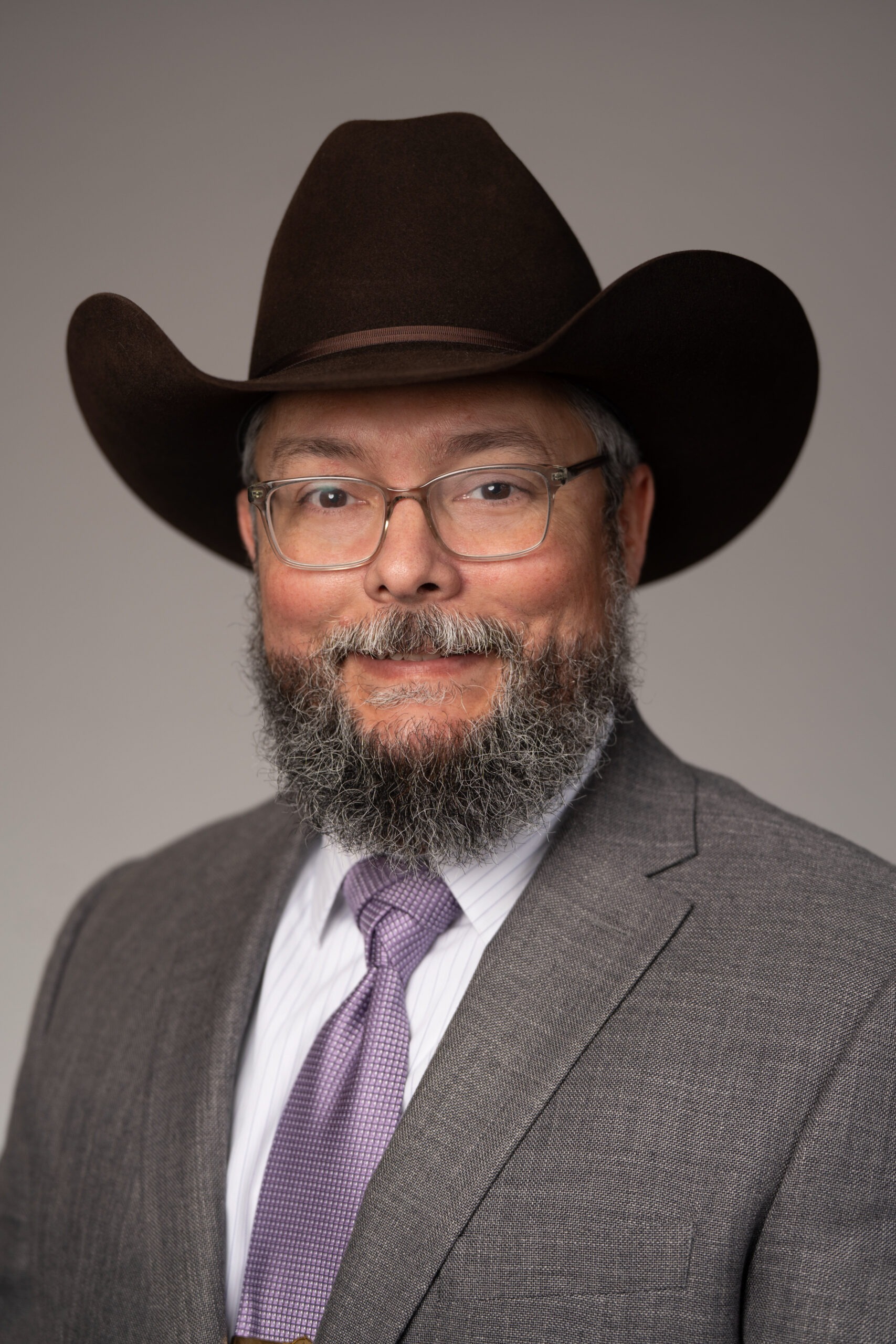
What happens when a kid who grows up lining up nails on a jobsite decides to read the International Residential Code cover to cover — just to understand the “why”? In this episode of Takis Talk, that curiosity story comes full circle with David Spencer, Immediate Past President of the International Code Council and Director of Operations at SafeBuilt, whose career spans the trades, public service, executive leadership, and private sector collaboration.
David’s journey is a masterclass in how technical expertise, humility, and servant leadership can shape not only a career but an entire profession. From working in his family’s construction business to becoming a building inspector, building official, ICC board leader, and now overseeing multi-state operations, David brings a rare 360-degree perspective on how communities are built — and protected.
At the heart of this conversation is a powerful philosophy that defines David’s approach to leadership and inspections:
“It’s not about an ego, it’s about trying to help somebody achieve their dream, their goal, while also making sure that they’re safe.”
Throughout the episode, David shares stories from his early days in construction, including how sitting at a jobsite with the 2003 IRC sparked a deeper understanding of code intent — a moment that ultimately led him into the building safety profession. His insights reinforce a core theme of the episode: great inspectors and leaders don’t just enforce rules — they collaborate, educate, and guide.
Listeners will also hear David discuss the evolving role of technology in building safety, including remote video inspections and AI-assisted processes, and why he believes innovation must always be balanced with practical field knowledge. He emphasizes that while tools can improve efficiency, the human element — judgment, collaboration, and communication — remains essential.
Another standout moment comes when David reflects on servant leadership and giving back to the profession:
“Knowledge to yourself and not sharing with anybody doesn’t benefit anybody… the more that you can share, the better we can all be together.”
The conversation also explores workforce challenges facing both the trades and the code profession, highlighting the need to attract new talent and elevate the profile of building safety careers. David points to mentorship, emerging leaders, and renewed interest in skilled trades as reasons for optimism about the future.
From international code collaboration to local inspections, David’s perspective underscores a simple but profound idea — the work of building safety professionals ultimately serves people they may never meet.
“We do what we do for the ones we will never meet.”
This episode is both inspirational and practical, offering listeners a deeper appreciation for the profession and the leadership mindset needed to move it forward. Whether you’re a building official, inspector, contractor, city leader, or someone passionate about community development, David’s story will resonate.

Building Resilient Communities: A Conversation with Wayne Snell of the City of Irving, Texas
Episode guest: Wayne Snell, Director of Inspections, City of Irving, Texas
Host: Greg Diktakis, Takis Talk Podcast
Introduction
When it comes to shaping safe, thriving cities, few voices are as insightful as Wayne Snell’s. As the Director of Inspections for the City of Irving, Texas, Wayne combines decades of field experience with a forward-thinking approach to leadership and innovation.
In this Takis Talk conversation, host Greg Diktakis explores Wayne’s journey—from the life-changing experience of Hurricane Katrina to embracing AI and drone technology in modern inspections—and how he’s redefining leadership in public service.
From Hurricane Katrina to Building Resilience
Wayne’s perspective on resilience stems from personal experience. Living in New Orleans during Hurricane Katrina, he saw firsthand how quickly systems can fail—and how communities rebuild.
“There’s one part nobody captures—the smell,” he recalled. “Imagine rotting meat for months. It was a life-changing experience that taught me how fragile our systems can be.”
That moment defined his belief in strong building codes, preparedness, and collaboration—core principles that guide his work in Irving today.
Preparedness Through Collaboration
In Texas, the threats are different—tornadoes, hail, and severe weather—but the lessons remain the same. Irving’s emergency management team, led by the police department, coordinates annual mock drills to ensure readiness across all departments.
“We bring everyone together—fire, police, engineering, and public works,” Wayne said. “When we have a problem, we’re all at the table working together to solve it.”
This spirit of collaboration defines Irving’s executive culture and reflects how leadership and teamwork drive community resilience.
Embracing Technology: Drones and Virtual Inspections
While not an “early adopter” by his own admission, Wayne is practical about technology. His department uses drones and virtual inspection platforms to improve efficiency and safety.
“For under $6,000, we launched a drone program with two high-quality drones,” he explained. “Every inspection is recorded and tied directly to the permit record—it’s safe, efficient, and permanent.”
From AI-powered inspection tools to digital permitting systems, Wayne sees technology as a bridge between innovation and accountability.
Leadership, Ethics, and the Power of Communication
In his article “Pro Ethics,” Wayne reminds readers that building officials aren’t obstacles—they’re partners in progress.
“We’re not here to obstruct projects. We’re here to ensure safety,” he said. “Good communication is key. People just want to understand why.”
His leadership philosophy balances empathy, professionalism, and pragmatism—a mindset captured in his favorite phrase:
“It depends. What are you trying to accomplish?”
‘Insight Inside the Built Environment’ — Writing to Inspire
Wayne is also the author and publisher of “Insight Inside the Built Environment,” a newsletter that explores leadership, public administration, and community building.
What began as a response to his daughters’ question—“Dad, what do you actually do?”—has grown into a respected voice in the building safety and leadership community.
“The goal is to strengthen collaboration and remind others that leadership connects people, process, and purpose,” Wayne said.
His articles touch on wide-ranging issues—from homelessness and hiring practices to ethics and customer service—bridging technical expertise with human understanding.
Recruitment, Mentorship, and the Next Generation
Like many in public service, Wayne sees an urgent need to attract and train the next generation of inspectors and building professionals. His team visits trade schools and even elementary schools to spark early interest.
“I can teach technical skills faster than I can teach someone how to be polite,” he said. “Personality and communication matter most.”
Whether mentoring new inspectors or advocating for leadership development, Wayne’s focus remains clear: build people, not just projects.
Family, Balance, and Leading by Example
Behind every strong leader is a strong foundation. Wayne credits his wife for their daughters’ success—three high-achieving young women, all pursuing higher education at Texas universities.
“We’re both driven people,” he said. “It’s great to see those qualities in them.”
That family-driven ethic carries over to his work philosophy: lead by example and stay grounded in purpose.
Looking Ahead: The Path to City Management
When asked if he’d ever consider a City Manager or Assistant City Manager role, Wayne’s answer was immediate:
“Yes. We already solve problems, manage people, and deliver results. The work is the same—it’s just a bigger table.”
Still, he admits he’s not eager to leave Irving. “It’s a great city. I’m proud of what we’ve built here.”
Key Takeaway: Leadership Rarely Asks Permission to Be Needed
Perhaps Wayne’s most memorable line comes from his October article:
“Saturday didn’t show up on the calendar, but real leadership rarely asks permission to be needed.”
It’s a fitting reminder for public servants everywhere—leadership doesn’t clock in or out. It shows up when the community needs it most.
Final Thoughts
From disaster recovery to digital transformation, Wayne Snell’s story illustrates what modern public service leadership looks like—resilient, collaborative, and grounded in purpose.
As Greg closed the episode, he left listeners with the perfect summary:
“Remember, it depends. Gather your data and analyze before you commit.”