

Takis Talk Episode 13 – Building Safety Leadership with Robert Gray
Professional Platform
Share this episode of Takis Talk
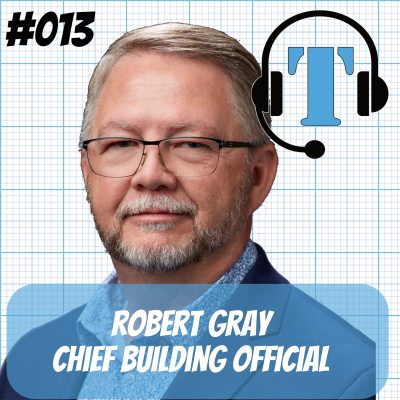
In this episode, we sit down with Robert Gray, Building Official for the Town of Los Gatos, for a wide-ranging conversation about building safety leadership, code development, local government, housing challenges, professional service, and the importance of getting involved in the organizations that shape our industry.
Robert is one of those people who seems to be everywhere that matters. Whether it is local ICC chapter work, IAPMO involvement, code hearings, professional development events, or conversations about the future of building departments, Robert continues to show up and contribute. His career reflects the kind of servant leadership that the building safety profession needs more of: steady, thoughtful, committed, and focused on helping the next generation succeed.
The conversation begins with Robert’s involvement in the ICC Peninsula Chapter and his leadership journey through local chapter work. Like many inspectors and building officials, Robert initially assumed that some of these professional organizations were mainly for building officials. Over time, through encouragement from mentors and colleagues, he became more involved, eventually serving in leadership roles and helping guide the direction of local code organizations. His story is a reminder that inspectors, permit technicians, plans examiners, code compliance officers, and building officials all have a place in these organizations—and that the future of the profession depends on people being willing to raise their hand and participate.
Robert also discusses his work with both ICC and IAPMO, the value of collaboration between different code organizations, and the reality that code officials in California often have to work across multiple systems, standards, and agencies. The episode touches on the challenges of digital code access, the relationship between ICC, IAPMO, NFPA, and other code bodies, and why local collaboration is so important even when national organizations may operate in separate lanes.
A major part of the discussion focuses on Los Gatos, a unique community in the heart of Silicon Valley with a small-town feel, high property values, historic buildings, wildfire concerns, and significant housing pressure. Robert talks about the challenges of meeting housing requirements in a jurisdiction that has limited land, strong community expectations, and areas located in or near the wildland-urban interface. As California cities and towns continue to respond to housing mandates, builder’s remedy projects, multifamily development, ADUs, and changing state legislation, building departments are being asked to adapt quickly while still protecting life safety and maintaining public trust.
The episode also explores the evolving role of the building official. Robert and the host discuss staffing, third-party plan review and inspection support, remote inspections, private-sector partnerships, and the pressure placed on jurisdictions to meet increasingly aggressive timelines. Robert brings a balanced perspective to these issues, recognizing the value of outside support while also emphasizing the importance of maintaining the authority and responsibility of the jurisdiction.
Beyond the technical and policy issues, this conversation is also about career growth and leadership. Robert shares his path from growing up in Oklahoma, working in construction, running a construction company, moving to California, becoming a building inspector, and eventually stepping into the role of building official. He talks about learning from mentors, serving the public, continuing his education, and pursuing growth beyond the building official role. The conversation also addresses an important question in local government: why are building officials often overlooked for executive management positions, despite the leadership, technical knowledge, customer service skills, and problem-solving experience required to do the job well?
Robert’s story is also deeply personal. He speaks with pride about his wife, children, grandchildren, and the values that guide his work and life. From family stories to leadership lessons, from building codes to whiskey festivals, this episode offers a complete picture of someone who cares deeply about his profession, his community, and the people around him.
Whether you are a building inspector, building official, code enforcement officer, permit technician, plans examiner, contractor, planner, city manager, student, or someone considering a career in building safety, this episode offers valuable insight into what it means to serve, lead, mentor, and stay involved.
Robert Gray’s message is clear: this industry needs people who are willing to participate, volunteer, learn, lead, and support one another. The future of building safety will be shaped by those who show up—and Robert is a great example of what that looks like.

Takis Talk Episode 13. Building Safety Leadership with Robert Gray:
ICC, IAPMO, Los Gatos, Code Development, Housing, and the Future of Building Officials
In this episode, we sit down with Robert Gray, Building Official for the Town of Los Gatos, for a wide-ranging conversation about building safety leadership, code development, local government, housing challenges, professional service, and the importance of getting involved in the organizations that shape our industry.
Robert is one of those people who seems to be everywhere that matters. Whether it is local ICC chapter work, IAPMO involvement, code hearings, professional development events, or conversations about the future of building departments, Robert continues to show up and contribute. His career reflects the kind of servant leadership that the building safety profession needs more of: steady, thoughtful, committed, and focused on helping the next generation succeed.
The conversation begins with Robert’s involvement in the ICC Peninsula Chapter and his leadership journey through local chapter work. Like many inspectors and building officials, Robert initially assumed that some of these professional organizations were mainly for building officials. Over time, through encouragement from mentors and colleagues, he became more involved, eventually serving in leadership roles and helping guide the direction of local code organizations. His story is a reminder that inspectors, permit technicians, plans examiners, code compliance officers, and building officials all have a place in these organizations—and that the future of the profession depends on people being willing to raise their hand and participate.
Robert also discusses his work with both ICC and IAPMO, the value of collaboration between different code organizations, and the reality that code officials in California often have to work across multiple systems, standards, and agencies. The episode touches on the challenges of digital code access, the relationship between ICC, IAPMO, NFPA, and other code bodies, and why local collaboration is so important even when national organizations may operate in separate lanes.
A major part of the discussion focuses on Los Gatos, a unique community in the heart of Silicon Valley with a small-town feel, high property values, historic buildings, wildfire concerns, and significant housing pressure. Robert talks about the challenges of meeting housing requirements in a jurisdiction that has limited land, strong community expectations, and areas located in or near the wildland-urban interface. As California cities and towns continue to respond to housing mandates, builder’s remedy projects, multifamily development, ADUs, and changing state legislation, building departments are being asked to adapt quickly while still protecting life safety and maintaining public trust.
The episode also explores the evolving role of the building official. Robert and the host discuss staffing, third-party plan review and inspection support, remote inspections, private-sector partnerships, and the pressure placed on jurisdictions to meet increasingly aggressive timelines. Robert brings a balanced perspective to these issues, recognizing the value of outside support while also emphasizing the importance of maintaining the authority and responsibility of the jurisdiction.
Beyond the technical and policy issues, this conversation is also about career growth and leadership. Robert shares his path from growing up in Oklahoma, working in construction, running a construction company, moving to California, becoming a building inspector, and eventually stepping into the role of building official. He talks about learning from mentors, serving the public, continuing his education, and pursuing growth beyond the building official role. The conversation also addresses an important question in local government: why are building officials often overlooked for executive management positions, despite the leadership, technical knowledge, customer service skills, and problem-solving experience required to do the job well?
Robert’s story is also deeply personal. He speaks with pride about his wife, children, grandchildren, and the values that guide his work and life. From family stories to leadership lessons, from building codes to whiskey festivals, this episode offers a complete picture of someone who cares deeply about his profession, his community, and the people around him.
Whether you are a building inspector, building official, code enforcement officer, permit technician, plans examiner, contractor, planner, city manager, student, or someone considering a career in building safety, this episode offers valuable insight into what it means to serve, lead, mentor, and stay involved.
Robert Gray’s message is clear: this industry needs people who are willing to participate, volunteer, learn, lead, and support one another. The future of building safety will be shaped by those who show up—and Robert is a great example of what that looks like.